

The Great Recycling Debate: Exploring the Pros and Cons of Recycling
Recycling has become an increasingly important topic in today's world as we strive to find sustainable solutions to our environmental challenges. While many people view recycling as a positive and necessary practice, there is a growing debate surrounding its effectiveness and impact. This article aims to delve into the pros and cons of recycling, exploring both sides of the argument and shedding light on this complex issue.
In this article, we will examine some of the main benefits of recycling, such as reducing landfill waste, conserving natural resources, and reducing greenhouse gas emissions. We will also discuss some of the criticisms and challenges associated with recycling, including the energy and resources required for the recycling process, potential contamination issues, and the debate over the economic viability of recycling programs. By looking at both sides of the argument, we hope to provide a comprehensive understanding of the complexities and trade-offs involved in recycling, ultimately encouraging informed decision-making and sustainable practices.
Index
Is recycling really worth it?
One of the most hotly debated topics in environmental circles is the effectiveness and value of recycling. While many people believe that recycling is a crucial step in reducing waste and conserving resources, others argue that it is an inefficient and costly process. In this article, we will explore the pros and cons of recycling to shed light on this ongoing debate.
The Benefits of Recycling
Recycling offers several significant benefits to both the environment and society. One of the main advantages is the conservation of natural resources. By recycling materials such as paper, plastic, glass, and metal, we can reduce the need for extracting raw materials from the earth, which often involves destructive mining practices.
Another benefit of recycling is the reduction of waste sent to landfills. By diverting materials from the waste stream and giving them new life, we can extend the lifespan of landfills and reduce the need for new ones. This is especially important as landfills contribute to greenhouse gas emissions and can contaminate soil and water sources.
Recycling also has economic benefits. It can create jobs in the recycling industry, from collection and sorting to processing and manufacturing. Additionally, recycling can save money for municipalities by reducing waste disposal costs.
The Challenges of Recycling
While recycling has many advantages, it is not without its challenges. One of the main criticisms of recycling is the cost associated with collection, sorting, and processing. Some argue that the expenses outweigh the environmental benefits, especially when compared to other waste management options.
Another challenge is contamination. Improper sorting or depositing non-recyclable materials in recycling bins can contaminate the entire batch, making it more difficult and costly to process. Education and awareness campaigns are essential to mitigate this issue.
There is also a debate about the effectiveness of recycling in certain cases. For example, recycling certain plastics may require significant energy and resources, making it less environmentally friendly than producing new plastic. This is known as "downcycling," where the quality or value of the material decreases after each recycling cycle.
The Future of Recycling
As the world faces increasing environmental challenges, the recycling industry continues to evolve and innovate. New technologies are being developed to improve recycling processes and increase efficiency. Additionally, there is a growing focus on reducing waste at the source through initiatives like zero waste and circular economy models.
Ultimately, the value of recycling depends on various factors, including the specific materials being recycled, the infrastructure and resources available, and the overall environmental and economic context. It is essential to consider a comprehensive lifecycle analysis to determine the true impact of recycling.
What are the benefits of recycling?
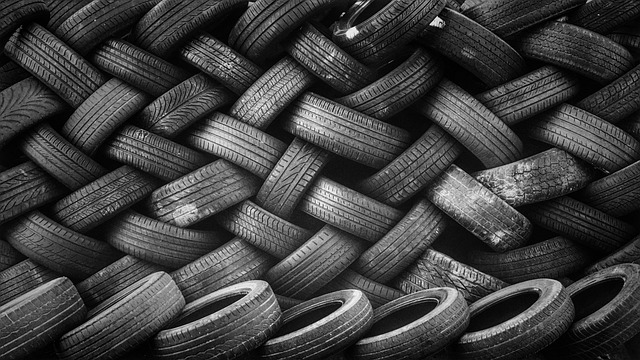
Recycling has become an important topic of debate in recent years, as the world grapples with the challenges of waste management and environmental sustainability. Proponents of recycling argue that it offers numerous benefits for both the environment and society as a whole.
One of the key benefits of recycling is the conservation of natural resources. By recycling materials such as paper, plastic, and metal, we can reduce the demand for raw materials and minimize the need for resource extraction. This helps to preserve natural habitats, reduce deforestation, and protect biodiversity.
Recycling also plays a crucial role in reducing greenhouse gas emissions and combating climate change. The production of new materials from raw resources often requires a significant amount of energy, which leads to the emission of greenhouse gases. In contrast, recycling materials uses less energy and generates fewer emissions, making it a more environmentally friendly option.
Another important benefit of recycling is the reduction of waste in landfills. Landfills are not only unsightly, but they also pose serious environmental and health risks. By diverting materials from landfills and recycling them instead, we can reduce the amount of waste that ends up in these sites and extend their lifespan.
Additionally, recycling helps to conserve energy. The process of recycling materials is often less energy-intensive than producing new materials from scratch. For example, recycling aluminum cans requires only 5% of the energy needed to produce new cans from raw materials. By conserving energy, we can reduce our dependence on fossil fuels and decrease our carbon footprint.
In conclusion, recycling offers a range of benefits that contribute to a more sustainable and environmentally friendly future. From conserving natural resources and reducing greenhouse gas emissions to minimizing waste and conserving energy, recycling plays a crucial role in addressing the challenges of waste management and promoting a healthier planet.
Interesting Fact
Did you know that recycling one aluminum can saves enough energy to power a television for three hours?
Anuncio
Are there any downsides to recycling?
While recycling is often hailed as a key solution to our environmental problems, it is not without its controversies. The great recycling debate revolves around the pros and cons of recycling, and whether it is truly as beneficial as it is made out to be. Let's explore some of the potential downsides of recycling.
1. Contamination and Sorting
One of the challenges of recycling is contamination. When different types of materials are mixed together, it can be difficult to separate them effectively. Contaminants such as food waste or non-recyclable materials can reduce the quality and value of recycled materials. This can lead to increased costs and inefficiencies in the recycling process.
2. Energy and Resources
Recycling requires energy and resources to collect, transport, and process materials. While recycling does save energy compared to producing new materials from scratch, it is not always the most energy-efficient option. The energy and resources used in the recycling process must be weighed against the environmental benefits of recycling.
3. Economic Viability
Another aspect of the recycling debate is the economic viability of recycling programs. Some argue that the costs of recycling outweigh the benefits, especially when the market for recycled materials is weak. This can lead to financial burdens for municipalities and businesses that are responsible for implementing and maintaining recycling programs.
4. Limited Impact
While recycling is important, it is not the solution to all of our environmental problems. It is just one piece of the puzzle in creating a more sustainable future. Some argue that focusing too much on recycling can distract from other important initiatives such as reducing waste at the source or promoting more sustainable production methods.
5. Public Awareness and Participation
For recycling to be effective, it requires active participation from the public. However, not everyone is aware of recycling programs or understands the importance of recycling. Lack of awareness or apathy can hinder recycling efforts and limit its overall impact.
Despite these challenges, recycling still plays a crucial role in reducing waste, conserving resources, and mitigating the environmental impact of our consumption habits. It is important to continue the debate and find ways to improve recycling systems and address the downsides.
Remember, the key to effective recycling is not just putting materials in the recycling bin, but also reducing waste, reusing items, and making sustainable choices in our everyday lives.
How does recycling impact the environment?
Recycling has become a widely debated topic in recent years, with proponents arguing for its environmental benefits and opponents raising concerns about its cost and effectiveness. The great recycling debate revolves around the question of how recycling impacts the environment.
On one hand, recycling is seen as a way to reduce the extraction of raw materials, conserve energy, and mitigate climate change. By recycling materials such as paper, plastic, glass, and metal, we can reduce the amount of waste sent to landfills and incinerators, thus reducing greenhouse gas emissions and preserving natural resources.
However, critics argue that the environmental benefits of recycling may be overstated. They point out that the process of recycling itself consumes energy and resources, and that the transportation of recyclable materials can also have a carbon footprint. In addition, they argue that not all materials are easily recyclable, and that contamination of recyclables can render them unrecyclable.
Furthermore, there is a debate about the economic viability of recycling. While recycling can create jobs and stimulate the economy, opponents argue that the costs associated with recycling, such as collection, sorting, and processing, may outweigh the benefits. They argue that investing in other waste management strategies, such as waste-to-energy technologies or landfill gas capture, may be more cost-effective.
Despite the ongoing debate, it is clear that recycling plays a role in reducing the environmental impact of waste. It is important to continue to improve recycling processes, invest in infrastructure, and educate the public about proper recycling practices to maximize its benefits.
Ultimately, the great recycling debate is a complex issue with no easy answers. It requires careful consideration of the environmental, economic, and social impacts of recycling, as well as a comprehensive understanding of waste management strategies as a whole.
Did you know? Recycling one ton of paper saves around 17 trees, 7,000 gallons of water, and 463 gallons of oil.
Si leer artículos parecidos a The Great Recycling Debate: Exploring the Pros and Cons of Recycling puedes ver la categoría Science and Technology.
Should You Shave Your Sideburns? Making the Right Decision

Endangered Giraffes: Are They Facing Extinction?

Debate: Pros and Cons of the Tsar's Rule - Unveiling the Controversy

2022: Is Pluto Still a Planet or Not? The Debate Continues!

The GMO Debate: Exploring the Pros and Cons of Genetically Modified Organisms

The Truth Unveiled: Is the Kraken Real or Not?
Loading ...
Leave a Reply